
Introduction to Commercial Real Estate
Interested in learning more about commercial real estate (CRE), you’re in the right place. CRE investment can include various property types, each with its own set of characteristics and opportunities.
Here’s a broad overview to get you started:
Asset Type
Commercial real estate encompasses a broad spectrum of asset types, each tailored to diverse business needs and investment goals. Common asset categories include office buildings, which house companies and professionals in urban and suburban areas. Retail spaces, such as shopping malls, storefronts, and entertainment hubs that cater to consumer-facing businesses. Industrial properties, including warehouses, manufacturing facilities, and distribution centers that support production and logistics. Additionally, there are multifamily residential properties, for example apartment complexes, which blend housing with investment opportunities. Hospitality assets, including hotels and resorts, which focus on accommodating travelers and leisure seekers. Each asset type carries unique characteristics, risks, and rewards, making it essential for investors and stakeholders to understand the dynamics of the specific market segment they engage with.
- Office Buildings: These range from single tenant to multi-tenant office properties. Office buildings typically have white collar professionals as tenants.
- Retail Buildings: Retail commercial properties are spaces used by businesses to sell goods and services directly to consumers. Retail buildings come in various forms such as shopping malls, strip malls, standalone stores, retail condominiums, outlet centers, and pop-up stores.
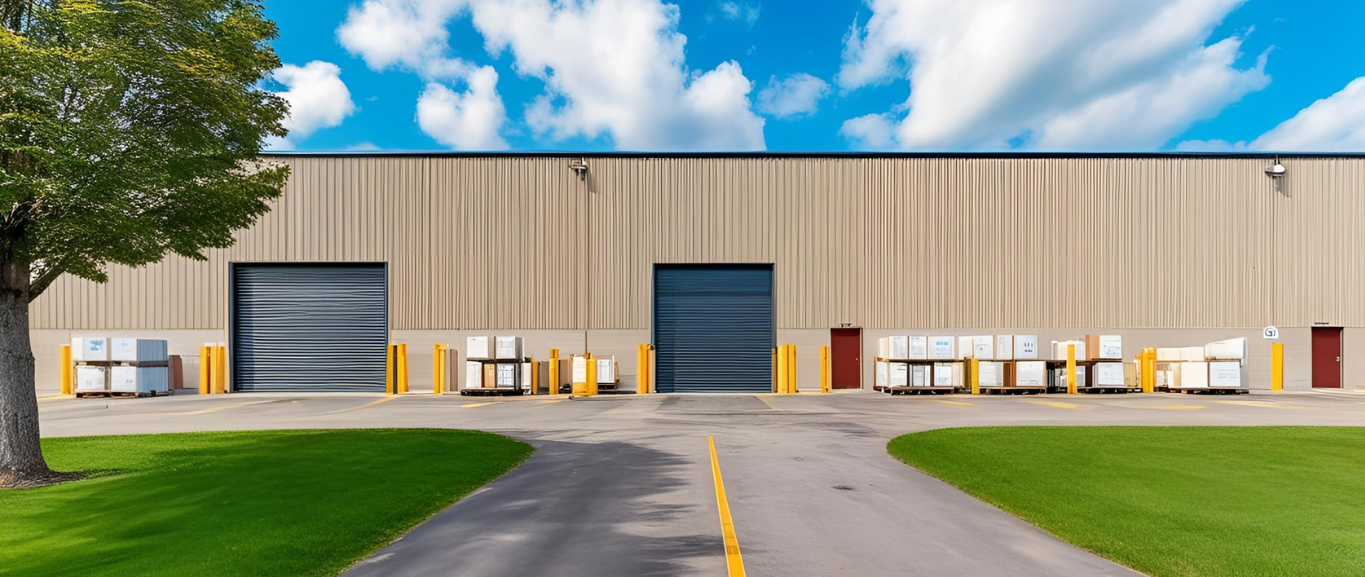
- Industrial Buildings: These include warehouses, manufacturing facilities, flex spaces (office, showroom, film studios, light manufacturing), and distribution centers.
- Multi-Family Apartment Complexes: These properties provide rental housing for multiple families.
- Specialty Properties: This includes hotels, self-storage facilities, mobile home parks, and gas stations. Each with unique considerations and benefits.
Benefits of Investing In Commercial Real Estate
Investing in commercial real estate (CRE) offers a range of compelling benefits. Investors can leverage tax advantages through deductions like property depreciation and tax-deferred exchanges. CRE properties often provide stable cash flow due to higher rental income and longer lease terms compared to residential assets. Additionally, these properties have strong appreciation potential, allowing for significant value growth over time and potential capital gains. Furthermore, incorporating CRE into an investment portfolio enhances diversification, reducing overall risk while strengthening long-term financial strategies.
- Tax Benefits: CRE investors can take advantage of various tax deductions, including property depreciation, tax deferred exchanges, and opportunity zones.
- Stable Cash Flow: Commercial properties typically offer higher rental income and longer lease terms compared to residential properties.
- Appreciation Potential: CRE properties can appreciate significantly in value over time, providing potential for capital gains.
- Diversification: Adding CRE to your investment portfolio can diversify your assets and reduce overall risk.
Risk Management
Effective risk management in commercial real estate is vital to safeguarding investments and ensuring long-term success. It involves performing comprehensive due diligence, such as property inspections, financial reviews, and an analysis of legal and zoning requirements. Maintaining adequate capital reserves is equally important, as it provides a financial cushion to handle unexpected costs, vacancies, or market downturns. Furthermore, prioritizing regular property maintenance helps retain tenants, enhances property appeal, and minimizes the likelihood of expensive repairs in the future.
- Due Diligence: Conduct thorough due diligence before purchasing any commercial property. This includes inspecting the property, reviewing financial records, and understanding legal and zoning regulations.
- Reserve Requirement: Keep sufficient capital reserves to cover unexpected expenses, vacancies or market downturns.
- Regular Property Maintenance: Keep the property well maintained to attract and retain tenants and avoid costly repairs in the future.
Next Steps on Your Financial Journey
To prepare for successful commercial real estate investments, first, evaluate your financial standing and define your investment objectives, potentially with the help of financial consultants. Then, educate yourself on the market, various asset types, and effective investment strategies. Lastly, build connections with seasoned investors and industry professionals to gain valuable insights and access opportunities.
- Financial Planning: Assess your financial situation and determine your investment goals. Consider working with financial consultants to make a plan.
- Education: Start by educating yourself about the commercial real estate market, asset types, and investment strategies.
- Connect: Connect with experienced investors and industry professionals to gain insights and opportunities.
Commercial real estate investment can be a rewarding and profitable venture with the right knowledge and strategies. By understanding foundational concepts, you can make informed decisions, and take the first steps towards successful commercial real estate investments.
Let's Connect
Interested in discussing this article with one of our Wealth Development Representatives? Fill out the form below to get connected.
Disclaimer: The information contained herein is general in nature and is not intended and should not be construed as legal, accounting,
investment, financial, tax advice, or opinion, in each instance provided by Factor Properties LLC or any of its affiliates, agents, or representatives. The reader is cautioned that this material may not be applicable to, or suitable for, the reader’s specific circumstances, needs, and requires consideration of all applicable facts and circumstances. The reader understands and acknowledges that, prior to taking any action relating to this material, the reader (i) has been encouraged to rely upon the advice of the reader’s accounting, financial, investment, legal, and tax advisers with respect to all accounting, financial, investment, legal, tax, and other considerations relating to this material, (ii) is not relying upon Factor Properties LLC or any of its affiliates, agents, employees, managers, members, or representatives for accounting, financial, investment, legal, tax, or business advice, and (iii) has sought independent accounting, financial, investment, legal, tax, and business advice relating to this material. Factor Properties LLC, and each of its affiliates, agents, employees, managers, members, and representatives, assumes no obligation to inform the reader of any change in the law or other factors that could affect the information contained herein.